Look at the picture given below and answer the following questions:
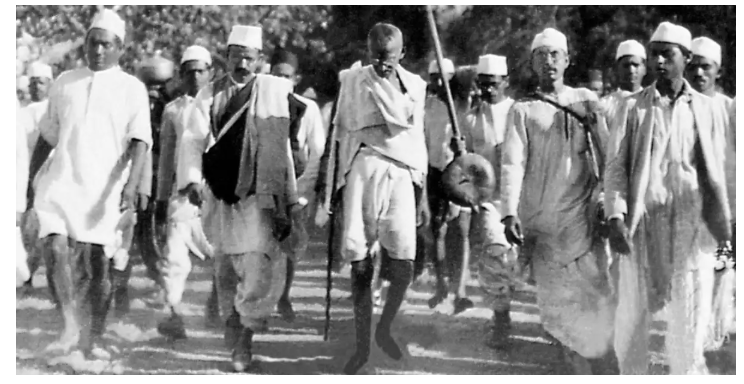
What were the three causes of the Non-Cooperation Movement?
Topic: Causes of the Non-Cooperation Movement
Answer
(1) The ROWLATT ACT of 1919 and the JALLIANWALA BAGH MASSACRE of 13 April 1919 — the Act allowed arrest without warrant and trial without appeal, and the massacre at Amritsar, followed by the Hunter Commission’s failure to punish General Dyer, outraged the whole country. (2) The KHILAFAT GRIEVANCE — Indian Muslims were angered by the harsh treatment of Turkey after the war and the humiliation of the Sultan, who was their Khalifa. Gandhiji supported their cause and joined it with his own movement to unite Hindus and Muslims. (3) The DISAPPOINTMENT OF THE MONTAGU-CHELMSFORD REFORMS of 1919, which fell far short of the self-government Indians expected after their sacrifices in the First World War, together with the economic hardship of rising prices and heavy taxation.
One mark per cause. Jallianwala Bagh is the strongest and must appear, with its date. Adding that the Hunter Commission exonerated Dyer explains WHY the massacre produced a movement rather than mere protest — it destroyed Indian faith in British justice. The Khilafat cause is the point that shows the movement’s distinctive character: it was the first time Hindu and Muslim grievances were fought together on a national scale.