Look at the given picture and answer the questions that follow: Tears of Blood: When 1,650 Bullets Changed India Forever — The Times of India, April 2019
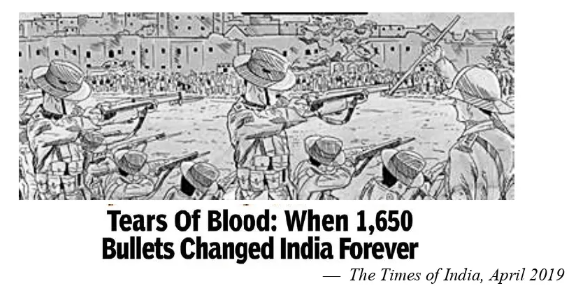
Mention any three repressive provisions of the Rowlatt Act.
Topic: The Rowlatt Act
Answer
(1) The Government was empowered to arrest and imprison any person without warrant and to detain him without trial. (2) Cases could be tried by a special court sitting in camera, without a jury and without the right of appeal against its decision; the court could accept evidence not admissible under the Indian Evidence Act. (3) Provincial Governments were given the power to search a place and arrest a person without a warrant, and the press was to be strictly controlled.
One mark per provision. The three to remember are arrest without warrant, trial without appeal, and detention without trial — which is exactly why Indians called it the BLACK ACT and why Gandhiji said it left "no appeal, no vakil, no daleel". That phrase is worth quoting: it summarises all three provisions in six words and shows you know the popular protest as well as the legal detail. The Act was passed in March 1919.