With reference to the picture given below, answer the following:
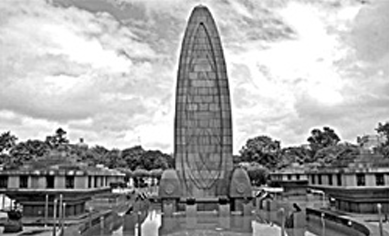
State any four impacts of the movement.
Topic: Impact of the Non-Cooperation Movement
Answer
(1) It transformed the freedom struggle into a MASS MOVEMENT for the first time. Peasants, workers, students, traders and women joined in, and the Congress ceased to be a body of educated professionals alone. (2) It demonstrated HINDU-MUSLIM UNITY on an unprecedented scale, since the Khilafat and Non-Cooperation causes were fought together. (3) It struck at BRITISH PRESTIGE AND REVENUE — titles were surrendered, schools, colleges and law courts boycotted, foreign cloth publicly burnt, and the sale of liquor fell sharply — and it showed that non-violent resistance could shake the Empire. (4) It gave a great impetus to SWADESHI, KHADI AND NATIONAL EDUCATION — national schools, colleges and the Kashi Vidyapith and Jamia Millia Islamia were founded — and it made Gandhiji the unquestioned leader of the national movement.
Four marks, four impacts, one mark each. The question asks for IMPACTS, so give consequences rather than a narrative of the movement. The most important, and the one to give first, is that it made the struggle a MASS movement — that is the historical significance of 1920-22. Naming the institutions founded (Kashi Vidyapith, Jamia Millia Islamia) makes the fourth point concrete. If you have room, one honest limitation adds balance: Swaraj was not won, and the Hindu-Muslim unity did not outlast the Khilafat cause.