262021
MCQEasy1 mark
- (a)K⁺
- (b)NH₄⁺
- (c)Cu²⁺
- (d)Na⁺
Appeared in 10 of the 11 available papers.
Appears almost every year — treat as core
Average per paper it appears in · 67 marks in total
32% of this chapter's 53 questions
8 questions carry a figure — practise drawing them
Showing 25 of 53 matching questions (67 marks).
25 questions
Select the correct option for each of the following questions.
Choose the correct answer from options given below.
Give one word or a phrase for the following statements:
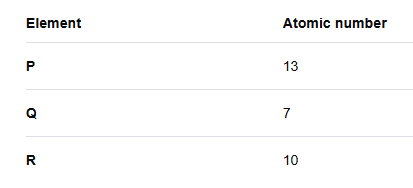
The following table represent the elements and the atomic number. With reference to this, answer the following using only the alphabets given in the table.
Draw the electron dot diagram for the compounds given below. Represent the electrons by (.) and (x) in the diagram. [Atomic No.: Ca = 20, O = 8, Cl = 17, H = 1]
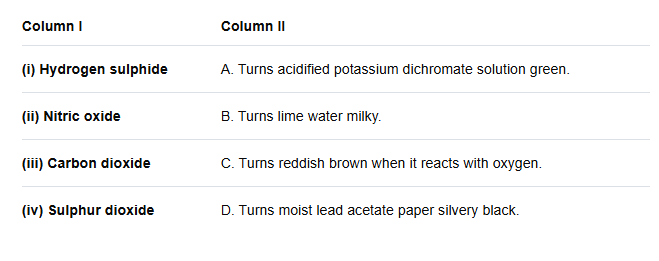
Differentiate between the following pairs based on the information given in the brackets.
Give the appropriate term defined by the statements given below:
Draw the electron dot structure of:
Give a reason for each of the following:
Fill in the blanks from the choices given in brackets:
Choose the correct answer from the options given below:
Draw an electron dot diagram to show the formation of each of the following compounds: