1(ii)2026
MCQEasy1 mark
- (a)P
- (b)Q
- (c)R
- (d)S
Appeared in 10 of the 11 available papers.
Appears almost every year — treat as core
Average per paper it appears in · 67 marks in total
32% of this chapter's 53 questions
8 questions carry a figure — practise drawing them
Showing 25 of 53 matching questions (67 marks).
25 questions
Choose the correct answers to the questions from the given options. (Do not copy the questions, write the correct answers only.)
Identify the following terms / compounds:
Complete the following sentences by choosing the correct option from the brackets:
Element A belongs to group 15 and period 2 of the Periodic Table.
Choose the correct answers to the questions from the given options. (Do not copy the questions, write the correct answers only.)
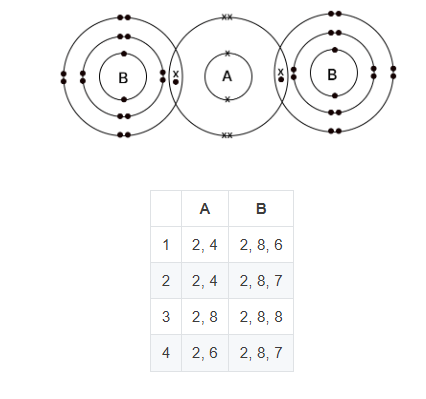
State the terms for the following:
The atomic number of two atoms ‘X’ and ‘Y’ are 14 and 8 respectively. State:
Study the table given below. Use only the letters given in the table to answer the questions. Do not identify the elements.
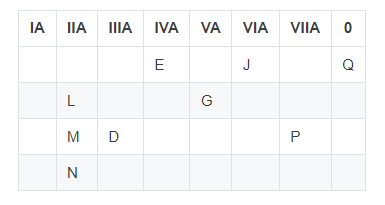
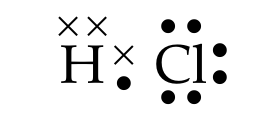
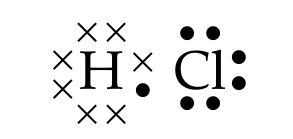
Draw the dot and cross structure of the following: [Atomic number: Mg = 12, Cl = 17, H = 1, N = 7]
Choose the correct answers to the questions from the given options. (Do not copy the questions, write the correct answers only.)
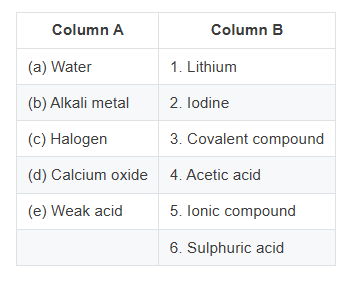
Draw the electron dot structure of: [Atomic number: N = 7, C = 6, H = 1]
Give reasons for the following:
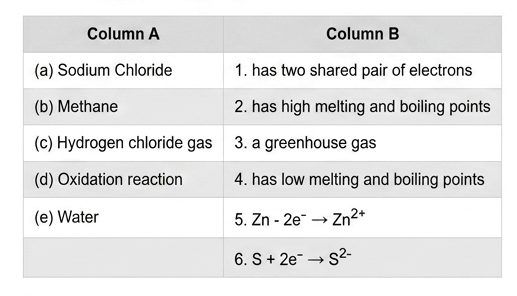
Fill in the blanks with the choices given in the brackets:
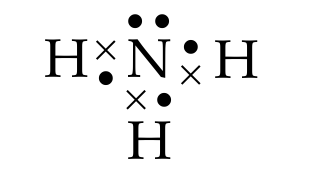
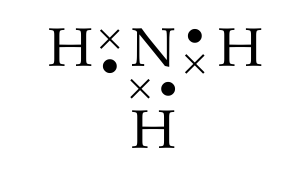
Draw the electron dot structure for the following: [At. No.: N=7, H=1]