1(v)2026
MCQEasy1 mark
- (a)C₂H₆ + Cl₂ → C₂H₆Cl₂
- (b)C₂H₆ + Cl₂ → C₂H₄Cl₂ + H₂
- (c)C₂H₆ + Cl₂ → C₂H₅Cl + HCl
- (d)C₂H₆ + Cl₂ → 2CH₃Cl
Appeared in 11 of the 11 available papers.
Appears almost every year — treat as core
Average per paper it appears in · 190 marks in total
59% of this chapter's 153 questions
20 questions carry a figure — practise drawing them
Showing 25 of 153 matching questions (190 marks).
25 questions
Choose the correct answers to the questions from the given options. (Do not copy the questions, write the correct answers only.)
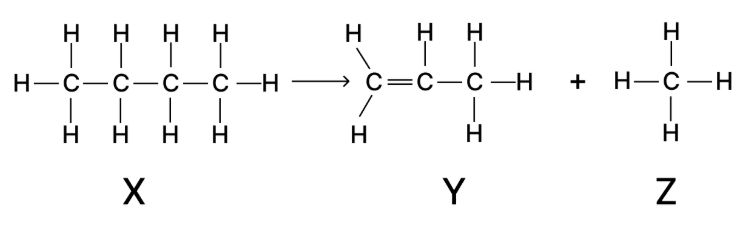
Identify the following terms / compounds:
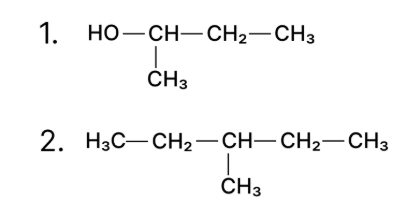
Draw the structural diagram for each of the following organic compounds:
Differentiate between the following pairs based on the criteria given in the bracket:
State whether the following statements are True or False:
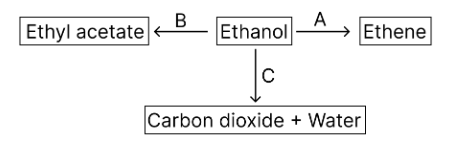
Choose the correct answers to the questions from the given options. (Do not copy the questions, write the correct answers only.)
State the terms for the following:
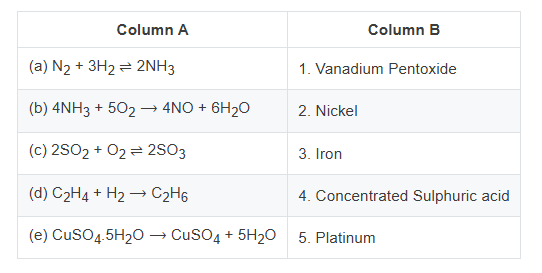
Draw the structural diagram for the following organic compounds: