"Vanishing Greenery; A Growing Urban Crisis" In most of our cities, rapid urbanisation has led to a significant decrease in greenery over the past two decades. As the population increased, the demand for housing, roads and commercial buildings grew, leading to clearing of parks, gardens and natural resources. This has contributed to several problems.
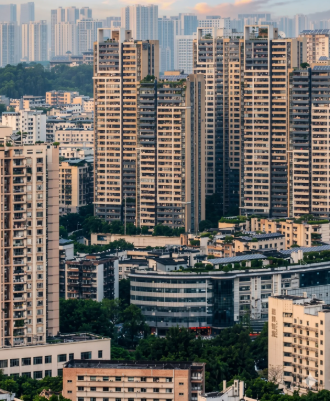
Mention one significant problem caused by the reduction in urban greenery.
Topic: Effects of loss of urban greenery
Answer
An INCREASE IN AIR POLLUTION, since there are fewer plants to absorb carbon dioxide and trap dust. (Also acceptable: a rise in temperature — the urban heat island effect; a fall in the water table due to reduced percolation; loss of habitat and biodiversity; more noise pollution.)
One problem is asked for, so give one and link it to the loss of plants.
THE HABIT WORTH FORMING for these passage-based questions: do not just name a problem, show the CAUSAL CHAIN. "Air pollution increases" is worth less than "air pollution increases because there are fewer plants to absorb carbon dioxide and trap dust on their leaves". The second answers the word "caused" in the question.
The URBAN HEAT ISLAND effect is the most interesting alternative: concrete and tar absorb and re-radiate heat, while trees cool the air both by shading and by transpiration — so removing them makes a city measurably hotter than the countryside around it.